Efficient material handling is essential for businesses that manage heavy goods, shipping containers, and warehouse operations. A container mast forklift is designed to improve lifting performance while making better use of available storage space. Its specialised design helps businesses move large loads safely, reduce delays, and maintain organised operations.
Companies handling containers often face challenges such as limited space, heavy loads, and demanding work schedules. Using the right equipment supports smoother workflows and allows employees to complete tasks with greater confidence while reducing unnecessary movement.
Why a Container Mast Forklift Plays an Important Role in Modern Warehouses
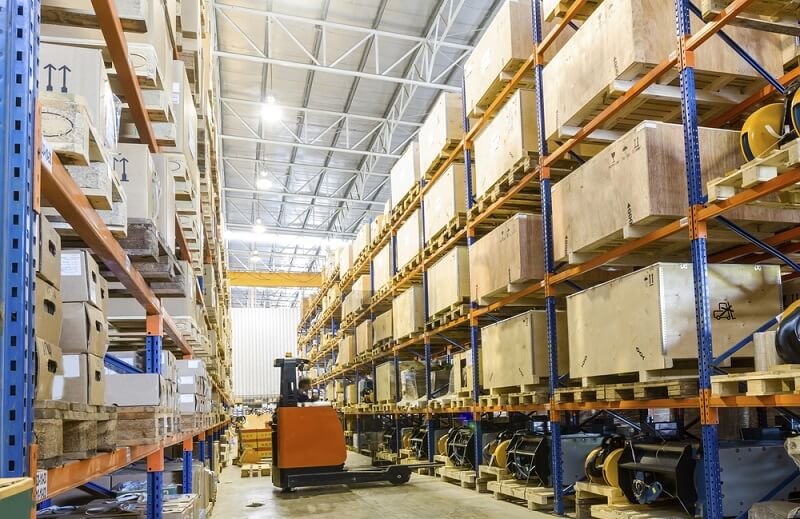
Modern warehouses require equipment that can lift heavy loads without compromising safety or productivity. A container mast forklift is engineered to handle demanding applications while maintaining excellent stability during lifting and transport.
Its design supports efficient container movement in distribution centres, manufacturing facilities, freight terminals, and storage yards. This versatility makes it suitable for businesses handling goods of varying sizes and weights.
Better Use of Vertical Storage Space
One of the biggest advantages is its ability to work efficiently in areas where vertical storage is important. Instead of expanding warehouse floor space, businesses can maximise existing storage by using higher shelving systems.
This approach creates more room for inventory while keeping pathways accessible for daily operations.
Improved Load Stability
Handling heavy containers requires consistent balance. A container mast forklift provides strong lifting support that helps maintain stability throughout transport.
Stable handling lowers the chance of shifting loads and contributes to a safer working environment for operators and nearby employees.
How a Container Mast Forklift Improves Material Handling Efficiency
Material handling involves much more than simply moving products. Every movement affects productivity, safety, and operational costs. A container mast forklift helps simplify these tasks through controlled lifting and reliable performance.
Faster Loading and Unloading
Efficient loading saves valuable time across warehouses and logistics facilities. Equipment designed for container handling allows operators to position loads accurately with fewer adjustments.
Reduced handling time allows businesses to process incoming and outgoing goods more efficiently.
Smooth Container Movement
Heavy containers require equipment capable of controlled movement across different work areas. A container mast forklift helps operators transport containers with greater precision, reducing unnecessary repositioning and improving workflow continuity.
Reduced Manual Handling
Moving heavy goods manually increases physical strain and operational risks. Using specialised lifting equipment minimises manual lifting while allowing employees to focus on monitoring, inventory management, and quality control tasks.
Key Features That Make a Container Mast Forklift Efficient
Several design features contribute to the performance of a container mast forklift across industrial environments.
Strong Lifting Capacity
Heavy-duty lifting systems enable operators to handle large containers without sacrificing balance or control. Reliable lifting performance supports consistent operations throughout busy work schedules.
Excellent Visibility
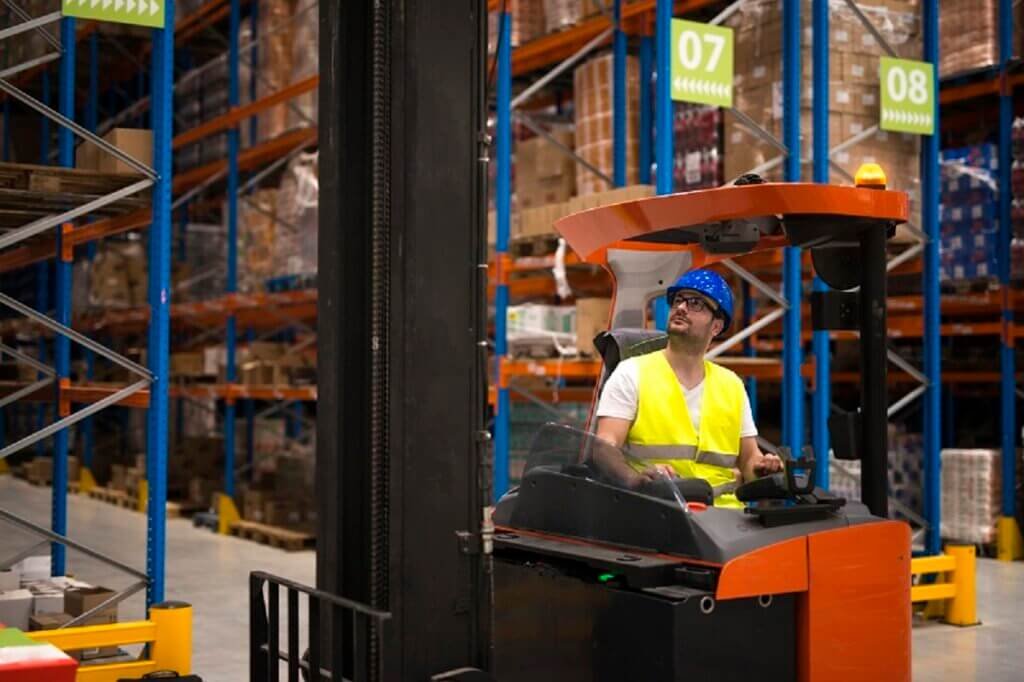
Good visibility helps operators position loads accurately in narrow storage areas. Clear sightlines also improve awareness of surrounding equipment and personnel during operation.
Durable Construction
Industrial environments expose equipment to continuous use. A durable structure helps maintain dependable performance under demanding conditions while reducing unnecessary downtime.
Precise Steering Control
Accurate steering allows operators to navigate confined spaces more effectively. Improved manoeuvrability supports smoother warehouse movement and better use of available floor space.
Benefits of Using a Container Mast Forklift in Industrial Operations
Businesses handling heavy goods can experience several practical advantages after integrating a container mast forklift into daily operations.
Higher Productivity
Reliable lifting equipment allows operators to complete more tasks within the same working hours. Consistent performance helps maintain operational flow during busy production periods.
Improved Workplace Safety
Proper lifting equipment helps reduce many common risks associated with transporting heavy containers. Stable handling, controlled lifting, and improved visibility contribute to safer daily operations.
Better Warehouse Organisation
Efficient equipment makes it easier to position goods correctly. Well-organised storage areas improve accessibility while reducing unnecessary movement throughout the warehouse.
Lower Equipment Strain
Using equipment designed specifically for container handling places less stress on lifting systems during demanding tasks. Proper equipment selection supports long-term operational reliability.
Industries That Benefit from a Container Mast Forklift
Many industries rely on heavy-duty lifting equipment to maintain efficient operations.
Some common sectors include:
- Warehousing and distribution centres
- Manufacturing facilities
- Freight and logistics operations
- Shipping container storage yards
- Construction material suppliers
- Import and export businesses
Each industry benefits from reliable container movement, organised storage, and efficient handling processes.
Best Practices for Operating a Container Mast Forklift
Proper operation supports both safety and equipment longevity.
Perform Daily Inspections
Operators should inspect tyres, brakes, hydraulic systems, forks, warning devices, and steering before each shift. Routine inspections help identify minor issues before they become major problems.
Handle Loads Correctly
Loads should always remain within the recommended lifting capacity. Balanced loading improves stability and reduces unnecessary stress on equipment.
Maintain Clear Travel Paths
Clean and organised work areas reduce obstacles that could interfere with safe equipment movement. Clear pathways also improve operational efficiency during busy work periods.
Train Operators Regularly
Well-trained operators understand proper lifting techniques, equipment controls, and workplace safety procedures. Ongoing training helps maintain consistent operational standards.
Factors to Consider Before Choosing a Container Mast Forklift
Every business has different operational requirements.
Important factors include:
- Required lifting capacity
- Container dimensions
- Available warehouse space
- Ground surface conditions
- Frequency of daily operation
- Future business growth
Evaluating these factors helps businesses select equipment suited to their long-term needs.
Maintenance Tips for Long Lasting Performance of a Container Mast Forklift
Regular maintenance supports dependable performance throughout the equipment’s working life.
Follow Routine Service Schedules
Scheduled servicing helps maintain hydraulic systems, steering components, braking systems, and lifting mechanisms. Preventive maintenance reduces unexpected operational interruptions.
Keep Equipment Clean
Dust, debris, and moisture may affect moving parts over time. Regular cleaning helps maintain efficient performance and supports accurate equipment inspections.
Replace Worn Components Promptly
Small components often have a significant impact on equipment performance. Replacing worn parts before failure helps maintain reliable operation and prevents larger mechanical issues.
Monitor Tyre Condition
Tyres play an important role in maintaining stability during heavy lifting. Routine inspections help ensure safe operation across different work environments.
Common Challenges Solved by a Container Mast Forklift
Many businesses experience similar operational challenges.
A container mast forklift helps address:
- Limited warehouse storage space
- Slow container loading processes
- Heavy manual handling requirements
- Congested storage areas
- Frequent movement of oversized loads
- Demand for consistent lifting performance
Addressing these challenges supports smoother workflows and improved operational reliability.
Why Equipment Selection Influences Long Term Performance
Choosing equipment that matches operational requirements helps businesses achieve better efficiency over time.
A container mast forklift designed for heavy container handling supports organised storage, dependable lifting, and consistent daily performance. Proper equipment selection also contributes to reduced operational disruptions while supporting future business growth.
Final Thoughts on Choosing a Container Mast Forklift
A container mast forklift provides practical advantages for businesses handling heavy containers and industrial materials. Its ability to improve storage utilisation, support safe lifting, and simplify material movement makes it an important asset across many industries.
When combined with regular maintenance, trained operators, and thoughtful planning, this equipment helps businesses create organised, efficient, and reliable handling operations. Investing in suitable lifting solutions supports smoother workflows while preparing facilities for future operational demands.