Are you tired of chasing timesheets and dealing with payroll headaches? Have you ever wondered if there’s a smarter way to track when your team clocks in and out? What if you could eliminate time theft and buddy punching with one simple upgrade?
If you’re running a business in Australia, chances are you’ve heard the buzz about biometric time attendance systems. These clever devices use unique physical characteristics—like fingerprints or facial features—to verify employee identity. No more swipe cards getting lost, shared, or forgotten. No more manual timesheets riddled with errors. Just accurate, reliable time tracking that works.
In this guide, we’ll walk you through everything you need to know about biometric attendance systems. From understanding how they work to choosing the right one for your workplace, we’ve got you covered. You’ll learn about different types of biometric technology, the real benefits they offer, and what to expect cost-wise. Plus, we’ll tackle privacy concerns and legal requirements specific to Australia. Whether you’re a small café owner or managing a large warehouse team, this guide will help you decide if biometric time tracking is right for your business.
What Is a Biometric Time Attendance System and How Does It Work?
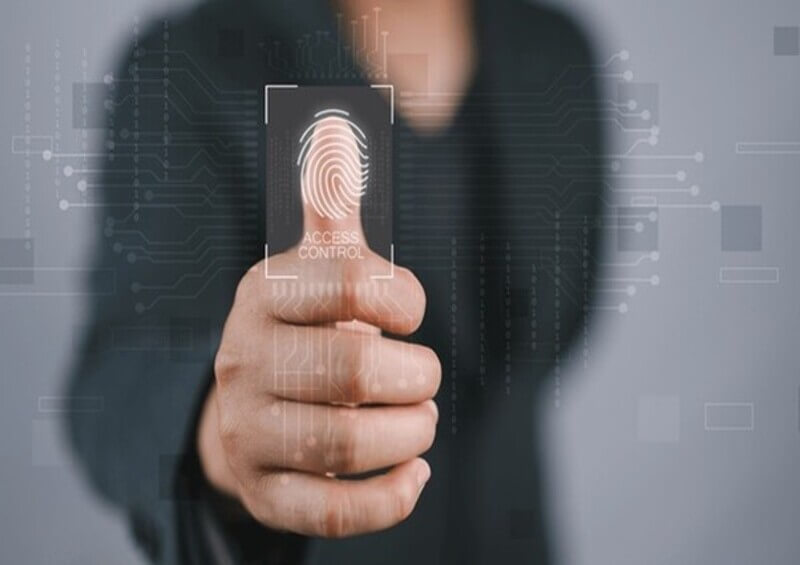
A biometric time attendance system is a device that identifies employees using their unique biological traits. Think of it as a high-tech clock-in machine that knows exactly who you are—no cards or codes needed.
The technology works by first capturing and storing a digital template of each employee’s biometric data. When someone clocks in, the system compares their live scan against the stored template. If it matches, the attendance is recorded instantly. The whole process takes just seconds.
Australian businesses are making the switch for good reason. Traditional methods like punch cards and PIN systems are easily exploited. With biometrics, only the actual employee can register their attendance. This simple change can transform how you manage your workforce.
Types of Biometric Time Attendance Systems
Fingerprint Recognition Systems
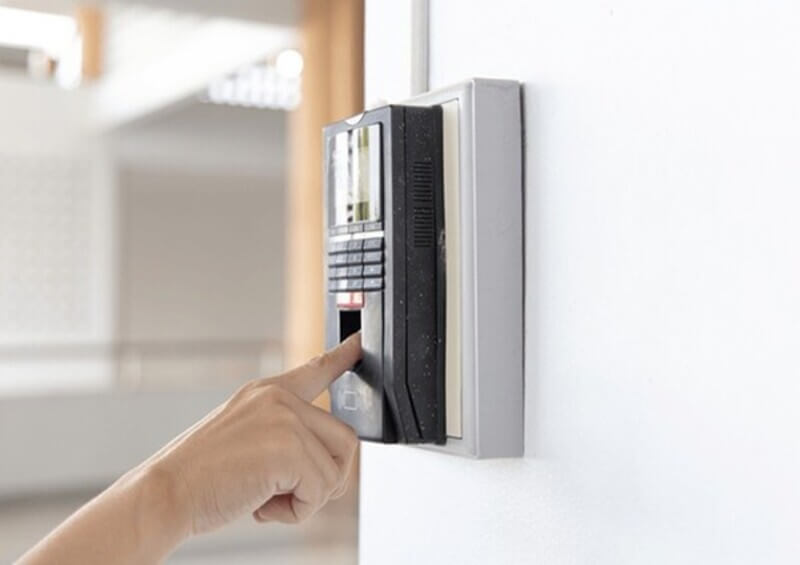
Fingerprint scanners remain the most popular choice for Australian businesses. They’re affordable, easy to use, and highly accurate. Employees simply place their finger on a sensor, and the system does the rest.
Facial Recognition Time Clocks
Facial recognition has gained serious traction, especially since the pandemic. These contactless systems scan facial features without requiring any physical touch. They’re hygienic, fast, and work well in high-traffic environments.
Iris, Palm Vein and Hand Geometry Options
For businesses needing extra security, iris scanning offers exceptional accuracy. Palm vein readers use infrared light to map vein patterns beneath the skin. Hand geometry systems measure the shape and size of hands. Each has its place depending on your security needs and budget.
Which Biometric System Is Best for Your Business?
The right choice depends on your workplace. Fingerprint systems suit most small to medium businesses brilliantly. Facial recognition works well where hygiene matters. Higher-security environments might benefit from iris or palm vein technology. Consider your industry, budget, and employee numbers when deciding.
Key Benefits of Biometric Time and Attendance Solutions
Eliminating Buddy Punching and Time Theft
Let’s be honest—buddy punching costs Australian businesses thousands each year. When one employee clocks in for another, you’re paying for time not worked. Biometric systems make this impossible because you can’t fake a fingerprint or face.
Improving Payroll Accuracy
Manual time tracking creates errors. Misread handwriting, calculation mistakes, and forgotten entries all add up. Biometric systems capture exact clock-in and clock-out times automatically. This precision flows directly into your payroll, reducing disputes and saving admin time.
Streamlining Workforce Management
With real-time attendance data at your fingertips, managing shifts becomes straightforward. You can spot patterns, address lateness issues, and plan rosters more effectively. Many systems integrate with scheduling software, creating a smooth workflow from attendance to payroll.
Enhancing Workplace Security
Beyond tracking time, biometric systems double as access control. You can restrict entry to certain areas based on employee identity. This added security layer protects sensitive spaces and valuable equipment.
Are Biometric Time Clocks Worth the Investment?
Absolutely, for most businesses. The reduction in time theft alone often covers the system cost within months. Add improved accuracy, reduced admin work, and better security, and the value becomes clear.
How Much Do Biometric Attendance Systems Cost?
Understanding Pricing and Factors
Biometric system prices vary widely based on technology type, features, and capacity. Basic fingerprint scanners start around, while advanced facial recognition units can reach or more. Cloud-based subscriptions typically add monthly fees.
Hidden Costs to Consider
Don’t forget installation, software licensing, and ongoing maintenance. Some providers charge for support or system updates. Training costs and potential hardware replacements should factor into your budget too.
Calculating Return on Investment
Work out how much time theft currently costs you. Even one employee clocking in ten minutes late daily adds up to hours weekly. Factor in admin time saved on manual processing. Most businesses see positive returns within six to twelve months.
Choosing the Right System for Your Workplace
Small Business vs Enterprise Requirements
A café with five staff has different needs than a construction company with two hundred workers. Small businesses typically need simpler, more affordable solutions. Larger operations require systems handling multiple locations and thousands of employees.
Integration With Existing Software
Check compatibility with your current payroll and HR systems. Smooth integration saves countless hours and prevents double-handling of data. Many modern biometric systems offer ready-made connections to popular Australian payroll platforms.
Cloud-Based vs On-Premise Solutions
Cloud systems store data remotely and offer flexibility for multi-site businesses. On-premise solutions keep everything local, which some businesses prefer for security reasons. Consider your IT capabilities and data preferences when choosing.
What Features Should I Look for?
Prioritise accurate recognition, fast processing, and reliable reporting. Look for mobile access, real-time alerts, and easy employee enrolment. Backup options for system failures are essential too.
Privacy, Compliance and Legal Considerations in Australia
Is Biometric Time Tracking Legal in Australia?
Yes, biometric time tracking is legal, but strict rules apply. Australian privacy laws classify biometric data as sensitive information, requiring careful handling. Businesses must comply with the Privacy Act and relevant state legislation.
Employee Consent Requirements
You must obtain clear, informed consent before collecting biometric data. Employees need to understand what data you’re collecting, why, and how it’s stored. Document this consent process thoroughly.
Data Storage and Security Obligations
Biometric data demands robust security measures. Encryption, access controls, and secure storage are non-negotiable. You’re responsible for protecting this information from breaches and unauthorised access. Have a clear data retention policy and stick to it.
Common Concerns and How to Address Them
What Happens if the Scanner Doesn’t Recognise an Employee?
Quality systems include backup options—PIN codes, cards, or manual override capabilities. Dirty sensors or changed fingerprints can cause issues, so regular maintenance helps. Keep alternative clock-in methods available for emergencies.
Hygiene Considerations
Touch-based systems raise legitimate hygiene concerns. Consider contactless facial recognition or ensure regular cleaning protocols. Provide sanitiser near fingerprint scanners and encourage good hand hygiene.
Overcoming Employee Resistance
Some staff worry about privacy or surveillance. Address concerns openly with clear communication about data use. Emphasise that the system tracks work hours, not personal movements. Involve employees in the rollout for smoother adoption.
Biometric Time Attendance for Different Industries
Different sectors have unique requirements. Retail and hospitality benefit from quick, high-volume processing during shift changes. Construction sites need rugged, portable units that handle outdoor conditions.
Healthcare environments require strict hygiene—contactless systems work brilliantly here. Manufacturing and warehouse settings often choose durable fingerprint units that withstand dusty or industrial environments. Consider your specific workplace challenges when selecting technology.
Is a Biometric Time Attendance System Right for Your Business?
After exploring everything biometric time attendance systems offer, the question remains—is this the right move for you? For most Australian businesses struggling with time theft, payroll errors, or outdated tracking methods, the answer is a resounding yes.
The benefits speak for themselves. Accurate time tracking, eliminated buddy punching, streamlined payroll, and enhanced security all contribute to a healthier bottom line. While upfront costs exist, the return on investment typically arrives faster than expected. Modern systems are easier to implement than ever, with options for every budget and business size.
Take the time to assess your current challenges, research providers, and involve your team in the decision. Consider your industry needs, privacy obligations, and integration requirements carefully. With the right biometric time and attendance systems in place, you’ll wonder how you ever managed without it. Ready to make the switch? Your future self—and your payroll department—will thank you.