A shoe making course offers much more than simply a technical vocation; it introduces a specialized art that marries design, engineering, and artistic expression. Whether budding designer, casual hobbyist, or seeking an entirely new creative outlet, entering a structured shoe making course will be your direct pathway into the alluring realm of footwear production.
Knowing what to expect will help you benefit more from the course. Learning how to handle leather at its most elementary through to designing and making your own custom shoe: every step builds towards a level of confidence and competence in what, indeed, is a craft rich with intricacies.
Learn to Master the Foundation Basics of Shoemaking
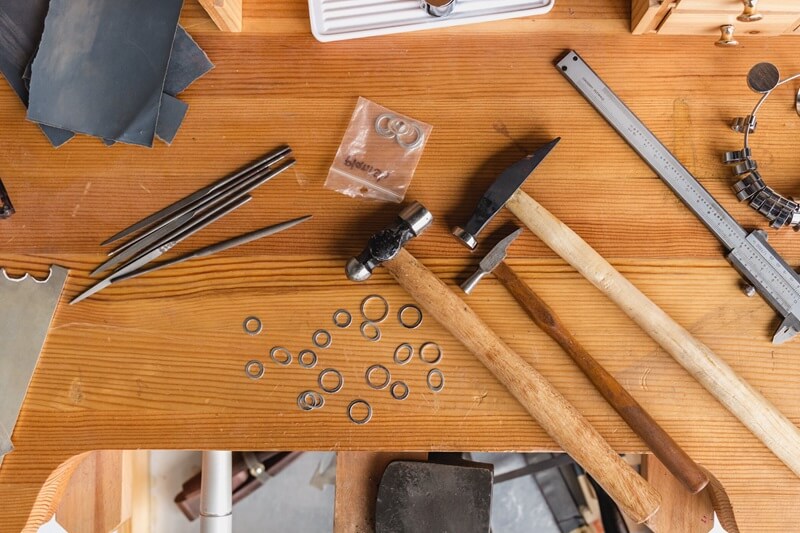
The core of any good shoe making course places emphasis on basic introductory principles. It teaches students about types of footwear, shoe anatomy, and materials used for construction. The presentation of basic tool types generally includes the lasts, awls, knifes, and any such stitching apparatus along those lines.
Grasping these basic terms gives you a working knowledge of how shoes are put together and, more importantly, how each component interacts and develops the final design into which you want to evolve it. It is this very knowledge that is needed to progress you into more technical methods.
Become More Skillful with Design and Pattern-Making
Design is a fundamental aspect of any shoe making course. You would be led through concept sketching into workable patterns whereby you practically exercise the process of translating creative ideas into tangible design suitable for reproductive construction.
Pattern making also incorporates exacting measurements along with templates to ensure a perfect fit. Therefore, this stage constitutes the joining of creativity with technical precision and gives you the opportunity to create footwear that looks great and feels good.
Mastering Selection and Preparation of Materials
The selection of materials is very important. In most courses, leather, suede, and alternative materials are presented, explaining their selection with respect to the various styles of shoes. You will learn how to cut, shape, and apply treatments to these materials necessary to prepare them for construction.
Understanding the behaviors and endurance of the materials renders your shoes stylish in design yet practical and functional. This is the step leading towards craftsmanship of the professional level.
Constructions in Practice Make the Most Engaging Part
One of the most important and exciting aspects of a course in shoemaking is assembly by hand. Students are introduced to techniques involving lasting, stitching, sole attachment, and finishing. The time spent on practical work will allow the participants to construct a full shoe, supervised by experienced instructors.
This incorporation of much repetition and meticulous teaching gives you control over precision tasks and confidence to face complex construction problems. This exposure has greatly increased your mastery and art.
Pursue Finishing and Detailing Further
Finishing starts once assembly is completed. This involves polishing, contouring the edges, coloring, and so on. Features allowing for comfort, like padding and lining, are also included. Those final touches speak volumes about the quality of the product and its crowning glory.
This stage trains you to be detail-oriented so that your shoes will boast professional signature and aesthetic refinement. A well-finished shoe upholds the balance between technical precision and creative genius.
Skills You Will Acquire
A sound shoe-making course should give you a sound range of skills, from precision cutting to material manipulation, from design optimization to problem-solving. You would also start to respect the extra effort and patience that go into making good footwear.
Transferable skills that will come in handy for employment opportunities in fashion, design, bespoke shoemaking, and the luxury craftsmanship industries.
Getting Prepared For Your Shoe Making Course

Preparing better sets the stage for learning. A working knowledge of basic sketching and design may put you ahead. Wearing something comfortable for workshop conditions and remaining open-minded will also have a bearing on your success story.
Keep yourself patient and alert so that every step of the way will be a learning experience for you and an extra yard will always be added to your success throughout the course.
The FAQ Section on Shoe Making Courses
FAQ 1: I have no prior experience, can I join in a shoe making course?
Most courses are set for total beginners using a step-by-step approach, so prior experience is not a requirement.
FAQ 2: How long does it take to complete a shoe making course?
It depends on the program since some run from days to even weeks depending on the technicalities involved.
FAQ 3: Will I be making shoes that I can wear?
Yes, during the span of most courses, students get guided on the whole journey of making their own functional and wearable shoes.
Conclusion
A shoe-making course is a gratifying experience that stands between creativity and craftsmanship. From the fundamentals of design to constructing techniques, each phase will teach one something new about footwear. This experience works on establishing creative freedom, technical ability, and attention to detail.
Prepare yourself for what to expect and prepare well for every step you find enjoyable in turning your love into a talent. The successful shoe-making course is thus the very first step into a meaningful journey in bespoke shoes and craftsmanship.