Manually splitting logs is one of the most time-consuming and tedious outdoor jobs. From preparing firewood in winter to managing the enthusiast’s rural property or commercial wood cutting, a good-quality log splitter will change much significantly in one’s work life. Hence, in such an exceptional situation of having so many models and configurations, it becomes more necessary knowing ways to buy the best log splitters to ensure working power efficiency, safety, and longevity.
Here, we present an exhaustive guide that includes all relevant information relating power modes, tonnage, safety features, and user consideration needed to make a sound decision with confidence.
What Are Best Log Splitters and Why Are They Important?
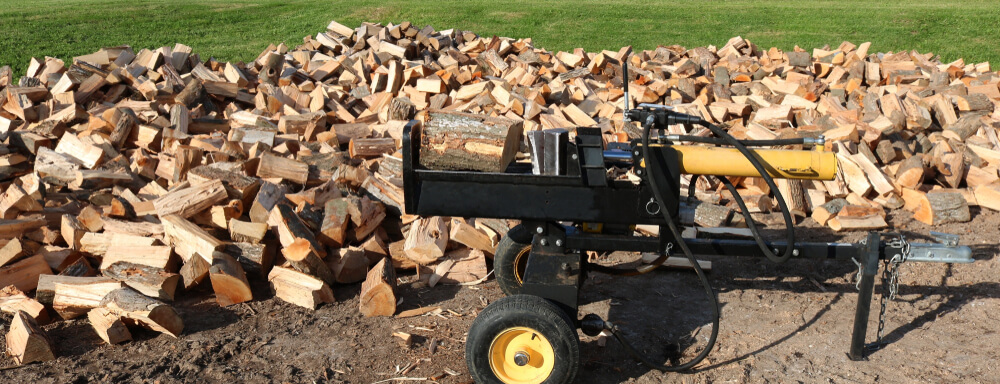
A best log splitter is an automated tool which splits logs into manageable pieces that can be used in heating or grilling with fire. They make so that much reduced human effort spent on splitting using axe or manual wooden wedge and perform the function by hydraulic or electric pressure. Such machines speed up work and produce neat and more uniform splits.
For the best log splitter, you possibly will have minimal body strain, reduced risk to injury, and yet contain sufficient power to keep on working under any atmospheric conditions. Choose wisely, and whether on occasion use or day-daily basis, it can manage to do it affordably and effectively.
Different Types of best Log Splitters-Overview
It is necessary to understand first the basic kinds of best log splitters in order to proceed with the selection of one type. Every type possesses a different advantage intended to be suited to a different environment and different load.
Electric Splitters
This machinery is just perfect for smaller and intermediate type works and is used primarily by the house owner. It is also quiet, requires very little maintenance, and is well-suited for indoors and semi-urban conditions.
Gas-Powered Log Splitters
Heavy-duty gas machines implement high powers with the added advantage in portability. These are best suited for use in dirty areas such as rural properties, professional woodcutting, and large volumes of hardwood.
Hydraulic Log Splitters
Hydraulic operational systems provide constant and strong pressure, which is perfect for any size of logs. Thus, a hydraulic best log splitter guarantees the secures of log-splitting results and can work with electric or gas power only.
Important Points to Consider While Buying Best Log Splitters
Choosing the most appropriate legal splitter requires knowing what load to be split, what type of wood, and how often it will be used. Other aspects have a great deal of importance in model selection.
Tonnage
Tonnage generally indicates the pressure that the splitter can apply in order to split a log. The higher Tonnage required for a dense hardwood; smaller tonnage is required for a softwood to split. Tonnage further depends on what species and how thick is the timber the user usually deals with.
Cycle Times
Cycle times measure how long it takes a chopper to perform an entire splitting process. The shorter the cycle times, the more productive a splitter will be with lots of wood to deal with. If high workloads face you, look for a splitter with a short cycle time.
Capacity
Every splitter has a maximum limit of log length and diameter. When picking the model, ascertain that it will suit most of your logs. Bigger logs generally require the use of industrial-grade machines to operate smoothly.
Portability and Space Considerations
Log splitters differ greatly in their physical size and portability. While some electric splitters are quite small and easy to store, they occupy larger spaces for maintenance purposes on gas-powered machines but are more mobile. Think of where the splitter will be used: garage, workshop, farm, or worksite. Do you need wheels or options of just hitching capabilities?
Safety Features You Should Care About
Safety comes first with heavy timber from wood and comes out of heavyweight machines. Nowadays, all these best log splitters have safety features incorporated that would protect the user while working on them. The following are the basic safety features when selecting models to consider:
- Two-hand operating feature for safe hand placement
- Automatic return control for smoother operation
- Overload protection systems for engine strain protection
Great safety features in machines reduce accident probabilities and ensure long life.
Maintenance Requirements of Best Log Splitters
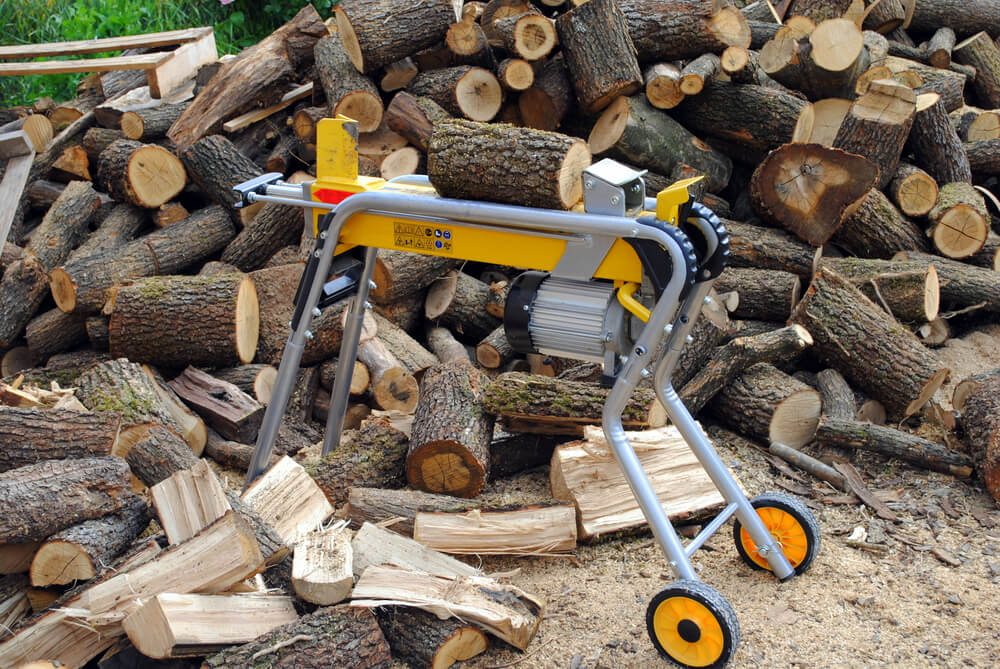
Log splitters, like any outdoor machinery, require normal maintenance to keep them in good shape. All regular oil changes are required on gas models, as are the checking and maintenance of the fuel system and filter cleaning. Not that electric units will involve less, but lubrication and examination of working parts still must be done.
Increased life and usability can be attached to any equipment with proper maintenance. Manufacturer recommended way of maintenance should always be adhered to.
Horizontally vs. Vertically Log Splitters
The log splitters are basically divided into two orientations: the horizontal and the vertical one. Then after knowing these differences between both machines, you can select the one which is most appropriate for your use.
Horizontal Log Splitters
Best for average-sized logs and completing most basic household jobs. Easy log loading followed by stable splitting action is permitted by these machines.
Vertical Log Splitters
Foe the weighty, it is simple to roll them into position rather than lift them, exerting far less strain on the back. Higher-end machines include the option of running horizontal and vertical, making them extremely versatile.
FAQs
What tonnage should I use for splitting hard wood?
Aplitter with a tonnage of 20 tons or more is recommended for such considerable amounts of wood, though less is desirable for softer wood.
Will electric best log splitters hold larger logs?
For small to medium logs, they will be more than sufficient. For larger hardwood logs, opt for a petrol or hydraulic driven machine.
How Often Should Best Log Splitters Be Serviced?
For heavy users, maintenance should be done every few months. Those with occasional use can have their units serviced once per season.
Conclusion:
The best log splitters are selected purely based on power, size, and features that match your woodcutting needs. The right machinery saves time, reduces effort, and ensures safe, efficient operation. Be it preparing firewood for winter or accommodating a big property or using timber as a profession, a best log splitter is a game changer.
Invest sophistically in a splitter with knowledge about what features and maintenance entail while observing safety measures, as this will be maximized for productivity with smooth workflow yet keeping your fun factor alive for many years.