Ever found yourself standing in a store, staring at rows of work boots, feeling completely overwhelmed? Or maybe you’ve bought a pair that looked great but left your feet aching after just a few hours on site? What if choosing the right work boots could actually be straightforward and even enjoyable?
Selecting the perfect zip sided work boots isn’t just about picking the first pair that fits. Your boots are your foundation on the job. They protect your feet from hazards, support you through long shifts, and can make the difference between a productive day and one spent nursing blisters. Getting this decision right matters more than you might think, especially when you’re spending eight hours or more on your feet.
In this guide, we’ll walk you through five essential tips to help you find zip sided work boots that tick all the boxes. From safety compliance and comfort features to durability and value for money, you’ll learn exactly what to look for. Whether you’re working in construction, mining, or warehousing, these insights will set you up for success. Let’s get stuck into it.
What Makes Zip Sided Boots Different from Lace-Up Styles?
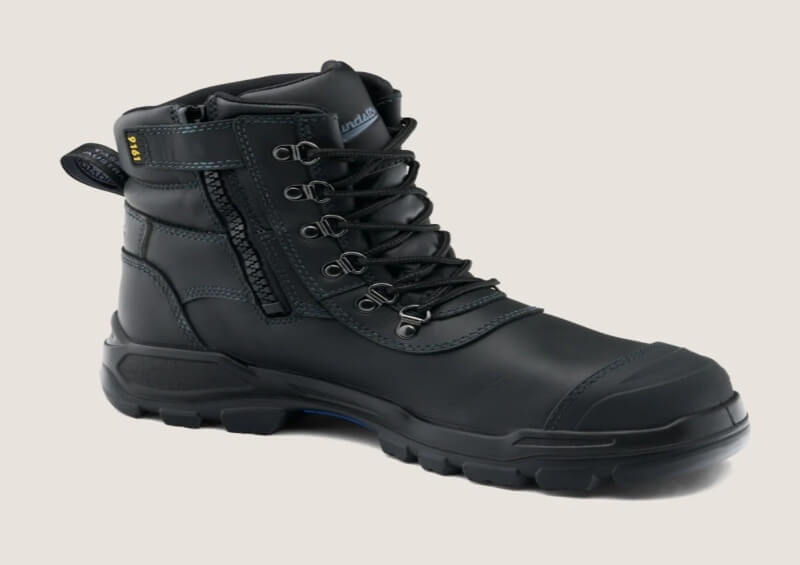
Zip sided boots have become incredibly popular across Australian worksites, and there’s good reason for that. The side zipper allows you to slip your boots on and off quickly without fiddling with laces every time. This convenience is brilliant when you need to get moving fast or when you’re taking boots on and off multiple times throughout the day.
Beyond convenience, zip sided boots offer a snug, consistent fit. Once you’ve adjusted the internal elastic or lacing system, the zip holds everything in place. There’s no loosening or tightening throughout your shift. Plus, without exposed laces, there’s less chance of tripping hazards or laces catching on equipment. It’s a practical choice that doesn’t compromise on safety or style.
Tip 1: Prioritise Safety Features and Compliance
Understanding Australian Safety Standards for Work Boots
When it comes to work boots, safety isn’t negotiable. In Australia, protective footwear must meet AS/NZS 2210.3 standards to be considered compliant for most worksites. This standard covers everything from impact resistance and compression protection to sole durability and slip resistance.
Before purchasing any pair, check that they’re certified. Look for clear labelling or documentation confirming compliance. Your employer may have specific requirements, so it’s worth checking with your site supervisor about what’s mandatory for your role.
Steel Cap vs Composite Toe: Which Is Better for Your Worksite?
Both steel cap and composite toe boots meet safety standards, but they suit different situations. Steel caps are the traditional choice—tough, reliable, and excellent for heavy-duty environments. They’re ideal if you’re working around heavy machinery or dropping heavy objects regularly.
Composite toes, on the other hand, are lighter and don’t conduct heat or cold. They’re brilliant for workers who pass through metal detectors or work in temperature extremes. They also won’t set off electrical equipment. Consider your daily tasks and work environment to make the right call for your needs.
Tip 2: Focus on Comfort and Fit
Why Proper Fit Is Non-Negotiable for Long Shifts
A boot that doesn’t fit properly will make your life miserable. Too tight, and you’ll end up with blisters and circulation problems. Too loose, and your feet will slide around, causing instability and fatigue. Neither situation is acceptable when you’re working long hours.
What Should I Look for in a Comfortable Work Boot?
Comfort comes down to several factors working together. Cushioning absorbs impact with every step, reducing strain on your joints. Arch support maintains proper foot alignment, preventing pain and long-term issues. Breathability keeps your feet dry and comfortable, especially during warmer months.
Look for boots with quality insoles—many workers swap these out for aftermarket options that suit their feet better. Padded collars and tongues also help prevent rubbing and irritation around your ankles.
How Do I Know If My Work Boots Fit Correctly?
Try boots on at the end of the day when your feet are slightly swollen. Wear the same socks you’d wear to work. You should have about a thumb’s width between your longest toe and the front of the boot. Your heel should feel secure without slipping, and there shouldn’t be any tight spots across the width of your foot.
Walk around the store for at least ten minutes. Squat down, climb stairs if possible, and mimic movements you’d make on site. If anything feels off, keep looking.
Tip 3: Consider Your Work Environment
Matching Boot Features to Industry Requirements
Different jobs demand different features. A sparky needs electrical hazard protection, while someone in food processing might prioritise slip resistance above all else. Understanding your specific workplace hazards helps narrow down your options significantly.
Do I Need Waterproof Zip Sided Boots?
If you work outdoors, in wet conditions, or around liquids, waterproof boots are worth considering. They keep your feet dry and comfortable, which is essential for both comfort and health. However, waterproofing can reduce breathability, so think about the trade-off.
For indoor warehouse work in dry conditions, waterproofing might be unnecessary. Save your money for features that matter more to your daily reality.
Best Features for Construction, Mining, and Warehouse Work
Construction workers should prioritise puncture-resistant soles and ankle support for uneven terrain. Mining environments often require metsteel protection and heat-resistant soles. Warehouse workers benefit most from lightweight boots with excellent slip resistance for concrete floors.
Think about what hazards you actually face daily, not just what might theoretically happen. This practical approach helps you invest in features you’ll genuinely use.
Tip 4: Evaluate Durability and Quality Materials
What Are the Most Durable Work Boot Materials?
Full-grain leather remains the gold standard for durability. It moulds to your foot over time, breathes well, and withstands serious abuse. Quality leather boots can last years with proper care.
Leather vs Synthetic Uppers: Pros and Cons
Leather uppers offer superior durability and breathability but require more maintenance and break-in time. Synthetic materials are often lighter, require less care, and can be more affordable upfront. However, they typically don’t last as long and may not breathe as effectively.
For heavy-duty work, leather usually wins. For lighter duties or if budget is tight, quality synthetics can be a sensible compromise.
How Long Should a Good Pair of Zip Sided Boots Last?
With proper care, quality zip sided boots should last twelve to eighteen months of daily wear. Some premium brands last even longer. The zipper mechanism is often the first thing to fail, so look for heavy-duty zippers with protective flaps.
Signs of Quality Craftsmanship to Look For
Examine the stitching—it should be even, tight, and doubled in high-stress areas. Check that the sole is firmly bonded or stitched rather than just glued. Quality boots feel solid in your hands and don’t have rough edges or visible glue marks.
Tip 5: Balance Budget with Long-Term Value
Are Expensive Work Boots Worth the Investment?
Generally speaking, yes. Cheaper boots might save money upfront but often need replacing more frequently. They may also lack proper support and protection, potentially leading to foot problems down the track.
Think of quality boots as an investment in your health and safety. When you calculate cost-per-wear over a boot’s lifespan, premium options often work out more economical.
How to Find Quality Zip Sided Boots Without Overspending
Look for sales at reputable retailers, especially at the end of financial year or during major sale events. Consider previous season’s models—they’re often discounted but just as functional. Some employers offer boot allowances, so check what’s available to you.
Understanding Warranty and After-Sales Support
A strong warranty indicates manufacturer confidence in their product. Look for at least six months coverage on manufacturing defects. Good after-sales support means access to repairs, resoling services, and replacement parts like insoles and laces.
Making Your Final Decision with Confidence
Choosing the perfect zip sided work boots comes down to balancing five key factors: safety compliance, comfort and fit, suitability for your work environment, durability, and long-term value. When you get these elements right, you’ll have boots that support you through every shift.
Take your time with this decision. Try on multiple pairs, walk around in them, and don’t settle for “good enough.” Your feet deserve boots that fit properly, protect effectively, and last the distance. The right pair will feel like an extension of yourself rather than something you tolerate.
Remember, your work boots are essential tools of your trade. Invest wisely, care for them properly, and they’ll serve you well. Now you’ve got the knowledge to make a confident choice—happy boot shopping!