Growing cities and vast infrastructures raise an urgent need for environmentally conscious construction practice. Geotechnical engineering in the sustainable urban development context serves significant purposes for safe, efficient, and environmentally friendly projects in Melbourne. A wise understanding of ground conditions in respect to residential and infrastructure developments is a must.
Sustainable practice in geotechnical engineering seeks the harmony of structural safety and environmental concern while enabling contemporary development to proceed without infringing on future resources. This paper outlines how the cause of increasing influence of sustainability principles in projects developed by Geotechnical Engineering Melbourne, with reason as to why it is important, is tied to positive development results in the long run.
Geotechnics: A Vintage or Developmental Partner of Sustainability
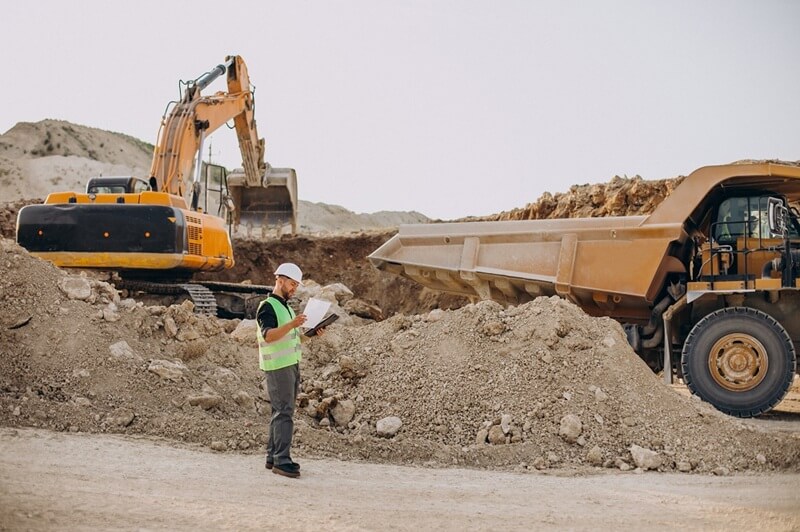
Geotechnical engineering deals with the studies of the behaviour of soil, rock, and groundwater in interaction with structures. Upon which every building, road, or bridge rests requires stable ground conditions; hence, geotechnical assessments represent, by their necessity, the first prerequisite of a construction.
On the sustainability side, this group of engineers designs solutions that ascertain environmental impacts at minimal levels without compromising safety and performance. Instead of overengineering the foundations or otherwise disturbing large areas of land unnecessarily, sustainable approaches keep an accurate data view and efficient design to minimize waste and consumption of resources.
For Geotechnical Engineering Melbourne, sustainability is intimately connected with responsible site investigation, accurate analysis, and solutions that work alongside natural ground conditions rather than working against it.
Geotechnical Engineering Melbourne and Local Environmental Conditions
Melbourne’s geology runs from reactive clay soils through sandy and silty deposits. This modification introduces challenges that must be addressed especially on issues about sustainability.
Most parts of Melbourne are reactive clay soil that swells and shrinks according to the change in moisture conditions. Conventional solutions could lead to excessive excavation or heavy reinforcement that often result in increased material usage and environmental impact. Sustainable geotechnics strive to do it such that foundations need only be designed to control soil movement without too much intervention.
By designing to the specific requirements imposed by local ground conditions, Geotechnical Engineering Melbourne minimizes unnecessary excavation, leading to less landfill waste and reduced carbon emissions from construction materials.
Smart Ground Design for Reduction of Material Use
One of the foremost sustainable benefits provided by contemporary geotechnical engineering is minimised usage of construction materials. Engineers are able to design foundations using the least number of materials required for stability and safety, thanks to accurate testing and analysis of the soil.
Foundations that are grossly over-designed mean extra costs, and higher emissions due to additional concrete and steel. Sustainable geotechnical design is all about precision – using discipline-specific information to avoid excesses.
In Geotechnical Engineering Melbourne, this approach promotes environmental protection while also achieving cost-benefit effectiveness, proving that in some ventures sustainability and practicality can go hand in hand.
Groundwater Management and Environmental Protection
Groundwater is an important aspect in geotechnical engineering, most especially in an urban setting. Improper groundwater management can lead to soil destabilisation, foundation problems and environmental pollution.
Sustainable practices are geared toward understanding the behaviour of groundwater and designing relevant systems for its management which might include controlled drainage solutions, water-sensitive design, and strategies to avoid contamination or unnecessary disruption of natural water flow.
Groundwater involvement in project preparations makes it possible for Geotechnical Engineering Melbourne to conserve surrounding ecological systems while at the same time providing structural integrity.
Geotechnical Engineering Melbourne and Lessening Disturbance on Sites
Site disturbance remains one of the most major environmental impact points in construction. A huge excavation, soil removal, and land re-profiling are the activities where the ecosystem is disrupted, and the risk of erosion heightened.
Achieving such sustainable geotechnical engineering is aimed at minimizing disturbance. Most often, when proper investigation and design have been achieved, engineers can work with his obligation towards reducing excavation depths, limiting clearing of the site, and dealing with possible preservation of those features within the natural terrain of the site.
As a result, the above will result in environmental protection from wastage of creating time and costs in construction. For Geotechnical Engineering Melbourne, minimizing disturbance at all costs has become an utmost imperative for projects aspiring to attain sustainability standards.
Promoting Long-Term Structural Performance
Essentially, sustainability has very little to do with impacts of construction on the environment as such but instead really with having buildings that perform over extended periods of time. Structures supported on poorly designed foundations can develop cracks, settlement, and often expensive repairs because of these environmental as well as economic impacts.
In Geotechnical Engineering, long-term performance has been promoted by designing foundations in view of expected soil behaviour for a number of decades. This lessens the chances for acts of intervention, the requirements for material replacement, and waste generation.
Careful planning by Geotechnical Engineering Melbourne makes safe, stable, and resource-efficient infrastructure developments throughout the life span of their existence.
Climate Resilience and Geotechnical Design
Construction resilience becomes much more critical against a backdrop of climate change. The extreme precipitation, prolonged dry spells, and temperature extremes can affect soil behaviour regarding the foundation performance.
Such things are considered within the design stage of sustainable geotechnical engineering. By forecasting future changes in moisture levels and ground movements, it can give engineers the opportunity to gain a future-looking foundation design quite unlike one that crumbles beneath the condition of the future.
In Geotechnical Engineering Melbourne, it shows nurture in sustainability through an extreme weather-related vulnerability mitigation and minimization of repair needs in the future.
Integration within Sustainable Building Practice
Geosciences do not work in isolation; they must work with architects, structural engineers, and planners in support of a more sustainable agenda.
Geotechnical information made more precise makes possible a more efficient design of buildings; better optimised selection of materials and more sustainable feature integrations can be achieved in areas such as water-sensitive landscaping and energy-efficient construction.
Healthy Geotechnical Engineering Melbourne forms the strong foundation for decision making on which sustainability is deeply embedded right from ground up rather than being tacked on as a sideshow.
Promotes Economic Advantages in Geotechnical Engineering Sustainability
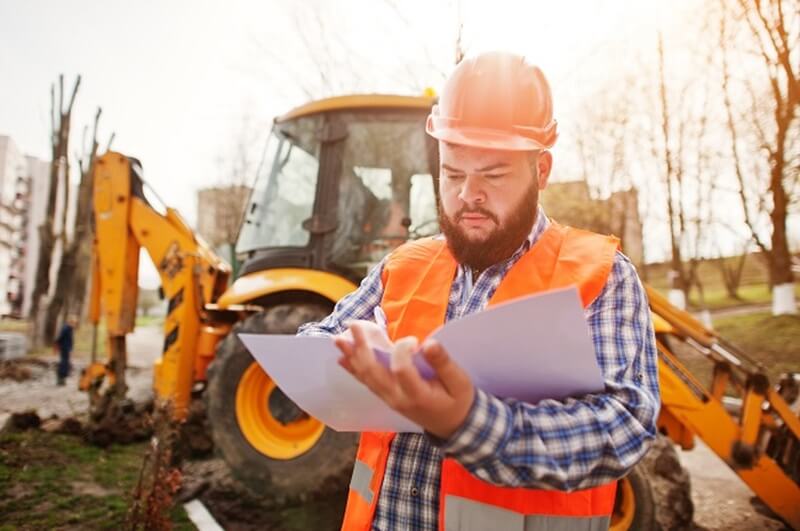
An improvement, which is a little crucial for sustainability besides benefiting the environment, is economic. An efficient design of foundations leads to a decrease in construction costs, shortened construction delays, and lower maintenance costs for the future.
To be able to keep the budget controls while meeting safety consternations, it is of most importance that under or over-excavating or excessive use of material be avoided. This rings particularly true in residential and commercial projects in which cost management is a must.
With proper planning and analysis, Geotechnical Engineering Melbourne encourages economically sustainable development beneficial to the builders, owners, and the larger community.
Education, Innovation, and Future Practices
Sustainability in the future of geotechnical engineering is entirely dependent on continuous research, innovation, and education. Better testing procedures, modelling software, and building methods would come to give more accurate and efficient results.
Moreover, with the rising awareness on the environment, an acceptance that sustainable practice will become the norm translates to a shift in responsibility from merely technical to being the engineer’s eyes and ears within the community.
In Geotechnical Engineering Melbourne, this forward-thinking approach really makes certain that the resource is ever-changing to meet sustainability objectives and community expectation.
Building Strong, Sustainable Foundations in Communities
Geotechnical engineering is simply underpinning the built environment in relation to safety and comfort with the environment that addresses tremendous current value, as well as sustainable development in future times that take into consideration the needs of the whole community.
In setting the groundwork for infrastructure that will withstand growing cities with minimal cost to the environment, geotechnical engineering addresses efficient design with minimal disturbance for the long term.
Conclusion
Sustainable geotechnical engineering is yet another imperative area of responsible development in the urbanizing environment. Engineers reduce environmental footprint while ensuring structural safety through an understanding of soil behaviour, groundwater management, and effective foundation design.
In Geotechnical Engineering Melbourne, the focus is increasingly, and with long-term thinking, on sustainability. Such practices also solidify local credibility at the community level regarding resilience and the environment.
Melbourne continues to rise, and thus, green geotechnical engineering keeps on giving the very solid foundations for safe, efficient, and environmentally responsible growth.