Kitchen cabinets are one of the most used — and most overlooked — parts of any kitchen. From fingerprints and grease splashes to food spills and steam, cabinets quietly collect grime every day. Proper cleaning and ongoing care not only keep your kitchen looking fresh but also extend the life of your cabinets, especially painted finishes commonly found in UK homes.
This comprehensive guide explains how to clean kitchen cabinets effectively, with a special focus on maintaining painted kitchen cabinets, preventing damage, and keeping them in excellent condition for years to come.
How to Maintain and Care for Your Painted Kitchen Cabinets
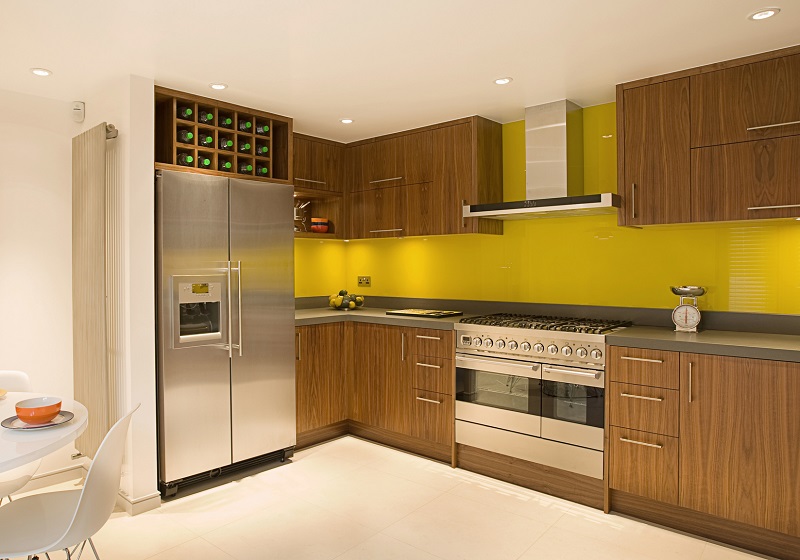
Painted kitchen cabinets are extremely popular across the UK thanks to their clean, modern appearance and wide colour options. However, painted surfaces are more delicate than solid wood or laminate and require gentle care.
To maintain painted cabinets:
- Avoid abrasive cleaners or scouring pads
- Use soft microfibre cloths only
- Clean spills immediately to prevent staining
- Keep moisture exposure to a minimum
Steam from kettles, ovens, and dishwashers is one of the biggest threats to painted cabinets. Ensure your extractor fan is working efficiently and always wipe away condensation after cooking.
Regular light cleaning is far better than infrequent deep scrubbing, which can wear down the paint finish over time.
Regular Cleaning Routine for Kitchen Cabinets
A consistent cleaning routine prevents grease build-up and keeps cabinets looking new.
Daily or Weekly Cleaning
For everyday maintenance:
- Mix warm water with a few drops of mild washing-up liquid
- Dampen a microfibre cloth (never soak it)
- Wipe cabinet doors, handles, and edges
- Dry immediately with a clean cloth
Pay particular attention to areas around handles, as these collect oils from hands.
Monthly Deep Clean
Once a month, give your cabinets a more thorough clean:
- Remove surface dust and crumbs
- Clean door fronts, sides, and frames
- Wipe inside cabinet doors
- Clean handles separately if possible
Avoid using vinegar directly on painted cabinets — while natural, it can dull the finish over time.
Dealing with Spills and Stains on Kitchen Cabinets
Spills are inevitable in busy kitchens, but quick action prevents permanent damage.
Grease Stains
Grease is one of the most common problems in UK kitchens.
Solution:
- Mix warm water with mild dish soap
- Wipe gently using circular motions
- Repeat if necessary — do not scrub aggressively
For stubborn grease, a small amount of baking soda mixed with water into a paste can be used very gently on durable finishes, but always test first.
Food and Drink Spills
Tea, coffee, wine, and sauces can stain painted cabinets if left too long.
Best practice:
- Blot spills immediately
- Clean with a damp cloth and mild detergent
- Dry thoroughly
Never allow liquid to sit along cabinet edges or joints, where moisture can seep in.
Protecting Cabinet Surfaces from Damage

Prevention is just as important as cleaning.
Avoid Excess Moisture
Water is one of the biggest enemies of kitchen cabinets.
- Always dry cabinets after cleaning
- Wipe away steam condensation
- Keep kettles and coffee machines away from cabinet edges
Use Cabinet Mats and Liners
Inside cabinets, shelf liners protect surfaces from spills, scratches, and wear. They’re inexpensive and easy to replace.
Be Careful with Heat
Heat can cause paint to crack or discolour.
- Avoid placing toasters or air fryers directly under cabinets
- Use heat shields where necessary
- Ensure extractor fans are functioning properly
Maintenance Tips for Longevity
Proper maintenance ensures your kitchen cabinets last for decades.
Tighten Hinges and Handles
Loose hardware causes unnecessary strain on cabinet doors.
- Check hinges every 6 months
- Tighten screws when needed
- Replace worn or rusted fittings promptly
Open and Close Gently
Slamming doors can chip paint and weaken hinges. Soft-close mechanisms are worth considering for long-term care.
Keep Cabinets Dust-Free
Dust may seem harmless, but combined with grease it creates stubborn grime. A quick wipe every week prevents build-up.
Touch-Ups and Repairs for Painted Kitchen Cabinets
Even well-maintained cabinets may develop small chips or scratches over time.
Minor Paint Touch-Ups
For small chips:
- Clean the area thoroughly
- Lightly sand if necessary
- Use matching paint with a small brush
- Apply thin layers and allow to dry
Always use paint recommended by the cabinet manufacturer or a professional kitchen supplier.
Fixing Scratches
Shallow scratches can sometimes be disguised using:
- Touch-up pens
- Furniture repair wax
- Colour-matched fillers
For larger damage, professional respraying may be the best option, especially for high-end kitchens.
Common Mistakes to Avoid When Cleaning Kitchen Cabinets
Many homeowners accidentally damage cabinets by using the wrong methods.
Avoid:
- Bleach or ammonia-based cleaners
- Abrasive sponges
- Excess water
- Steam cleaners
- Harsh chemical sprays
These can strip paint, cause swelling, or leave permanent marks.
Frequently Asked Questions (FAQ)
How often should I clean my kitchen cabinets?
Light cleaning should be done weekly, with a deeper clean once a month. Spills should always be cleaned immediately.
Can I use vinegar to clean kitchen cabinets?
Vinegar is not recommended for painted cabinets, as it can dull or damage the finish over time.
What is the best cleaner for painted kitchen cabinets?
Warm water with mild washing-up liquid is the safest and most effective option for regular cleaning.
How do I remove sticky residue from cabinets?
Use a soft cloth with warm soapy water. For tougher residue, repeat gently rather than scrubbing.
Do kitchen cabinets need professional maintenance?
For everyday care, no. However, professional repairs or respraying can restore heavily worn cabinets and extend their lifespan.
Final Thoughts
Knowing how to clean kitchen cabinets properly is essential for maintaining a clean, stylish, and long-lasting kitchen. With a gentle cleaning routine, quick attention to spills, and regular maintenance, your cabinets can remain beautiful for years — even in busy UK households.
By using the right products, avoiding harsh chemicals, and caring for painted surfaces correctly, you protect both the appearance and value of your kitchen.