Heating comfort in a home involves much more than the heater itself. Many homeowners assume that a furnace or heat pump controls warmth entirely. The reality works differently. Warm air must travel through the duct system and reach each room in the right amount. That process depends on airflow balance.
Airflow balance refers to how evenly heated air spreads throughout a home. Balanced airflow allows every room to receive a consistent share of warm air. Poor balance creates temperature differences that frustrate homeowners, even when the heating system runs normally.
Multi room homes highlight airflow problems more than smaller spaces. Different layouts, varying duct lengths, and room usage patterns all affect how air moves. Understanding how airflow balance shapes comfort helps homeowners identify issues that often go unnoticed.
Why Heating Comfort Depends on Air Distribution
A heater generates warm air, but comfort depends on delivery. Heated air must circulate through ducts and enter rooms at a steady rate. Rooms that receive too little airflow feel cold. Rooms that receive too much airflow may feel stuffy or warmer than expected.
Balanced air distribution supports:
- Stable room temperatures
- Predictable heating cycles
- Comfortable airflow from vents
- Reduced hot and cold spots
Uneven distribution often causes discomfort without indicating heater failure. The heating unit may operate correctly while airflow problems disrupt comfort.
How Multi Room Homes Expose Airflow Issues
Larger homes naturally create airflow challenges. Air must travel longer distances, pass through multiple branches, and navigate structural obstacles. Each added room introduces new variables.
Common layout factors that affect airflow include:
- Long duct runs
- Multiple floors
- Closed off spaces
- Additions or remodels
- High ceilings
Rooms farther from the heater often experience weaker airflow. Upper levels may feel warmer or cooler depending on system design. Airflow balance plays a central role in correcting these differences.
The Relationship Between Airflow and Temperature Stability
Temperature stability means rooms maintain consistent warmth without dramatic swings. Balanced airflow supports this stability by delivering heated air at a steady pace.
Poor airflow balance often leads to:
- Rooms warming slowly
- Sudden temperature changes
- Uneven heating patterns
- Heater cycling irregularly
Air that moves unevenly disrupts comfort even if the thermostat reads correctly. A single thermostat cannot detect variations across distant rooms.
Why Some Rooms Feel Colder Than Others
Uneven room temperatures rank among the most common comfort complaints. Homeowners often notice that certain rooms remain chilly despite continuous heater operation.
Several airflow related factors can cause this:
- Duct leaks
- Blocked vents
- Poor return airflow
- Duct sizing issues
- Air resistance
Rooms with restricted airflow receive less heated air. That space may never reach the same comfort level as other areas.
Supply Air vs Return Air Balance
Heating systems rely on two types of air movement. Supply air delivers heated air into rooms. Return air pulls indoor air back to the heater for reheating.
Proper balance between supply and return airflow ensures smooth circulation. Imbalance creates pressure differences that affect comfort.
Insufficient return airflow can lead to:
- Weak vent output
- Temperature swings
- Rooms feeling stagnant
- Reduced system efficiency
Every room requires a path for air to enter and exit. Missing or restricted returns often create hidden comfort problems.
Closed Doors and Airflow Disruption
Room usage habits strongly influence airflow balance. Closed doors can interfere with air circulation, especially in homes with limited return pathways.
Closed rooms may experience:
- Reduced airflow
- Pressure buildup
- Uneven heating
- Comfort fluctuations
Air must move freely between rooms to maintain balance. Restricted circulation can alter temperature behavior throughout the house.
How Duct Design Affects Airflow Balance
The duct system acts as the highway for heated air. Poor design or aging ductwork can create uneven distribution.
Design related causes of imbalance include:
- Improper duct sizing
- Excessive bends
- Long unsupported runs
- Leaks or gaps
- Blockages
Air follows the path of least resistance. Rooms connected to shorter or wider ducts may receive more airflow than distant spaces.
The Impact of Air Resistance Inside Ducts
Air resistance limits how easily heated air travels. Dust buildup, crushed ducts, or obstructions increase resistance and reduce airflow strength.
Increased resistance can result in:
- Weak vent output
- Noisy airflow
- Uneven temperatures
- Longer heating cycles
Even small restrictions can alter comfort noticeably across multiple rooms.
How Airflow Balance Influences Heater Run Time
Heating systems run until the thermostat setting is reached. Poor airflow balance can delay this process by preventing even heat distribution.
Consequences may include:
- Extended heater cycles
- Uneven room comfort
- Increased system strain
Rooms near the thermostat may warm quickly while distant rooms remain cold. The heater shuts off based on thermostat readings, not whole house comfort.
Why Thermostat Readings Can Mislead Homeowners
Thermostats measure temperature at a single location. That reading does not guarantee uniform comfort throughout the home.
Poor airflow balance may cause:
- Accurate thermostat readings
- Uncomfortable rooms elsewhere
- Frequent adjustments
Homeowners often misinterpret this situation as heater malfunction rather than distribution imbalance.
Airflow Balance and Indoor Comfort Perception
Comfort involves more than temperature. Air movement, circulation strength, and consistency all influence how warmth feels.
Poor balance may create:
- Drafty sensations
- Stagnant air
- Uneven warmth
- Rooms feeling stuffy or chilly
Balanced airflow helps create a natural and comfortable indoor environment.
Signs of Airflow Imbalance in Multi Room Homes
Airflow issues often produce recognizable patterns. Homeowners should watch for:
- Persistent cold rooms
- Uneven heating between floors
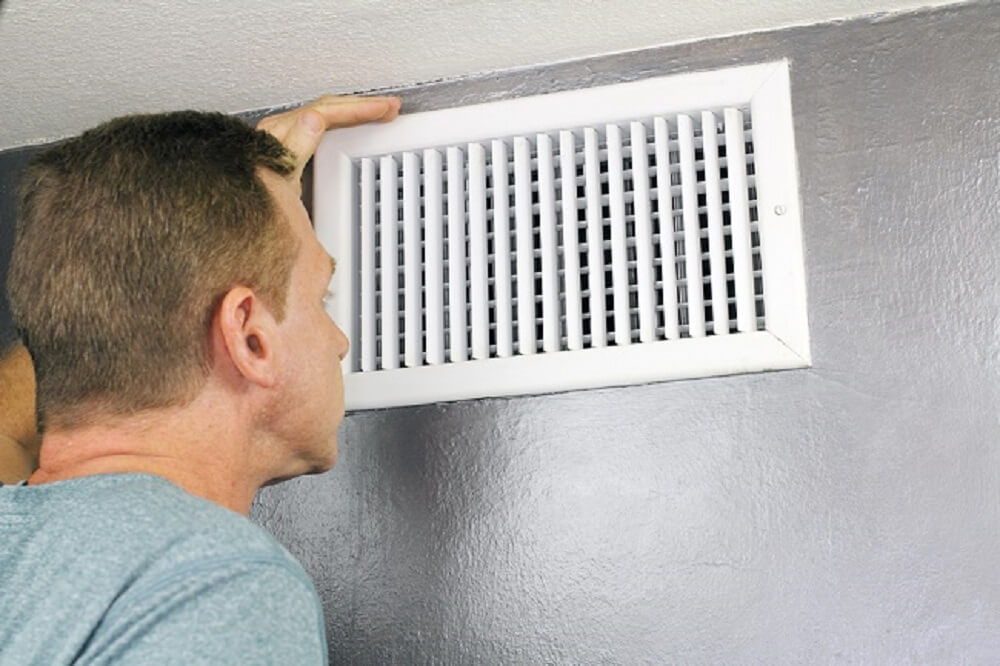
- Weak airflow from certain vents
- Temperature swings
- Noisy vents
These symptoms frequently point to airflow problems rather than heater failure.
How Filters Affect Airflow Balance
Air filters protect equipment but also influence airflow. Dirty or restrictive filters reduce circulation and disrupt distribution.
Filter related problems can lead to:
- Reduced airflow volume
- Uneven heating
- Heater strain
Regular filter replacement helps maintain stable air movement.
The Role of Vent and Register Adjustments
Vents and registers control airflow direction and volume. Improper settings can worsen imbalance.
Partially closed vents may cause:
- Pressure changes
- Uneven air distribution
- System strain
Adjustments should support balanced circulation rather than restrict it unpredictably.
How Duct Leaks Disrupt Heating Comfort
Leaks allow heated air to escape before reaching rooms. This reduces airflow strength and creates uneven temperatures.
Common effects include:
- Cold rooms
- Weak vents
- Longer heater cycles
Sealing leaks often improves comfort without requiring major equipment changes.
Airflow Balance in Multi Story Homes
Homes with multiple levels face unique airflow challenges. Warm air naturally rises, which can complicate distribution.
Common issues include:
- Upper floors overheating
- Lower floors staying cool
- Uneven circulation
Balanced airflow and proper duct design help manage these differences.
Why Professional Airflow Evaluation Matters
Airflow problems rarely have simple visual causes. Many involve hidden restrictions or design issues within the duct system.
Thorough evaluation may identify:
- Pressure imbalances
- Duct restrictions
- Leakage points
- Return airflow issues
Addressing these factors improves comfort predictability.
Long Term Effects of Poor Airflow Balance
Persistent imbalance can place strain on the heating system. Uneven circulation forces equipment to work harder to maintain comfort.
Potential long term effects include:
- Increased wear
- Reduced efficiency
- More frequent repairs
Balanced airflow supports system stability and indoor comfort consistency.
Creating a Comfortable Multi Room Environment
Consistent heating comfort depends on more than heater performance. Warm air must circulate evenly and reach every occupied space. Airflow balance plays a central role in achieving this goal.
Homes with balanced airflow typically experience:
- Even temperatures
- Predictable heating behavior
- Comfortable air movement
- Reduced comfort complaints
Uneven heating often signals distribution issues rather than heater failure. Recognizing the importance of airflow balance helps homeowners better understand their comfort challenges and maintain a more stable indoor environment.